Why Is My Nose Dry but Still Runny?
Have you ever experienced the strange combination of a nose that feels painfully dry yet won’t stop running? You’re not alone. This common but confusing symptom affects many people and often leaves them wondering what’s going on.
Medically, this condition is often related to rhinitis, which simply means inflammation or irritation of the nasal lining. While it’s usually not serious, understanding why it happens is the first step toward finding lasting relief—and knowing when to seek medical care.
How Can a Nose Be Both Dry and Runny?
Your nasal passages are lined with a delicate mucous membrane designed to keep air moist, filter particles, and fight infection. This system usually maintains a careful balance. When it’s disrupted, you can experience conflicting symptoms.
Think of it like a malfunctioning sprinkler system: the pipes (nasal passages) might be dry and cracked, but the sprinkler head (mucus glands) is stuck in the “on” position, producing thin, watery fluid that doesn’t effectively moisturize the tissue. This results in the simultaneous sensation of dryness and a runny nose, often called "wet dryness."
Common Causes of a Simultaneously Dry and Runny Nose
1. Nonallergic Rhinitis (Vasomotor Rhinitis)
Vasomotor Rhinitis is caused when nasal blood vessels dilate abnormally due to environmental triggers, not allergies. It leads to watery drainage while the surrounding tissue feels dry and irritated. Triggers include changes in temperature/humidity, strong odors, smoke, spicy foods, stress, or certain medications.
2. Dry Air Exposure
Low humidity, from winter heating or air conditioning, pulls moisture from nasal membranes. Your body may overcompensate by producing more thin, watery mucus to protect the tissue, creating a runny nose over dry, irritated skin.
3. Medication Side Effects
Certain medications are common culprits:
- Antihistamines & Decongestants: Ironically, overuse can dry out membranes, leading to rebound congestion and irritation that triggers a runny nose.
- Blood pressure medications, antidepressants, and hormone therapies can also alter normal nasal function.
4. Atrophic Rhinitis
This is a chronic condition where the mucous membrane thins and atrophies, often leading to crust formation and a paradoxical sensation of dryness alongside watery discharge.
5. Early Stages of a Cold or Sinus Infection
Initial viral invasion can cause inflammation that disrupts normal mucus production, leading to alternating or simultaneous dry irritation and clear drainage before mucus thickens.
6. Hormonal Changes
Pregnancy, menstruation, or thyroid disorders can affect mucous membrane function.
Treatment and Relief Strategies for a Dry and Runny Nose
Treatment focuses on addressing the underlying cause and restoring moisture balance.
Immediate At-Home Remedies
- Humidify Your Environment: Use a cool-mist humidifier, especially in your bedroom, to maintain 30-50% humidity.
- Saline Irrigation (Nasal Rinsing): Use a neti pot or saline spray to flush irritants, add moisture, and thin mucus without medication. (Use distilled or previously boiled water only)
- Hydrate Generously: Drink plenty of water to help thin mucus secretions and hydrate from within.
- Apply Nasal Emollients: Specially formulated nasal gels (such as saline gels) or a very small amount of petroleum-based ointment can be applied lightly inside the nostrils to soothe dry membranes. Avoid overuse.
- Identify and Avoid Triggers: Keep a symptom diary to track exposure to irritants like perfumes, cleaning products, or smoke.
Medical Treatments
- For Persistent Nonallergic Rhinitis (Vasomotor Rhinitis): A doctor may prescribe Ipratropium bromide nasal spray, which specifically reduces watery secretion.
- For Inflammation: Low-dose corticosteroid nasal sprays (like fluticasone) can reduce overall nasal lining irritation.
- Underlying Condition Management: Accurate diagnosis is key. An ENT specialist can rule out structural issues, chronic sinusitis, or other conditions.
Optimizing Nasal Health: Prevention Tips from ENT Specialists
A nose that feels both dry and runny is often a sign that its delicate moisture balance is disrupted. Here are proactive steps to help maintain healthy nasal function and prevent dryness.
- Practice Gentle Nasal Hygiene: Avoid aggressive blowing or picking. Always blow gently, one nostril at a time, to protect sensitive nasal passages.
- Optimize Your Indoor Air: Use a humidifier, especially in the bedroom, to combat dry air. Minimize exposure to dust, strong chemical scents, and other airborne irritants.
- Use Medications Cautiously: Follow label instructions carefully for over-the-counter nasal sprays and decongestants. Overuse can lead to dependency or "rebound" congestion.
- Support Your Mucous Membranes Through Diet: Consume foods rich in Omega-3 fatty acids, like salmon and flaxseed, which may help maintain healthy mucous membrane function.
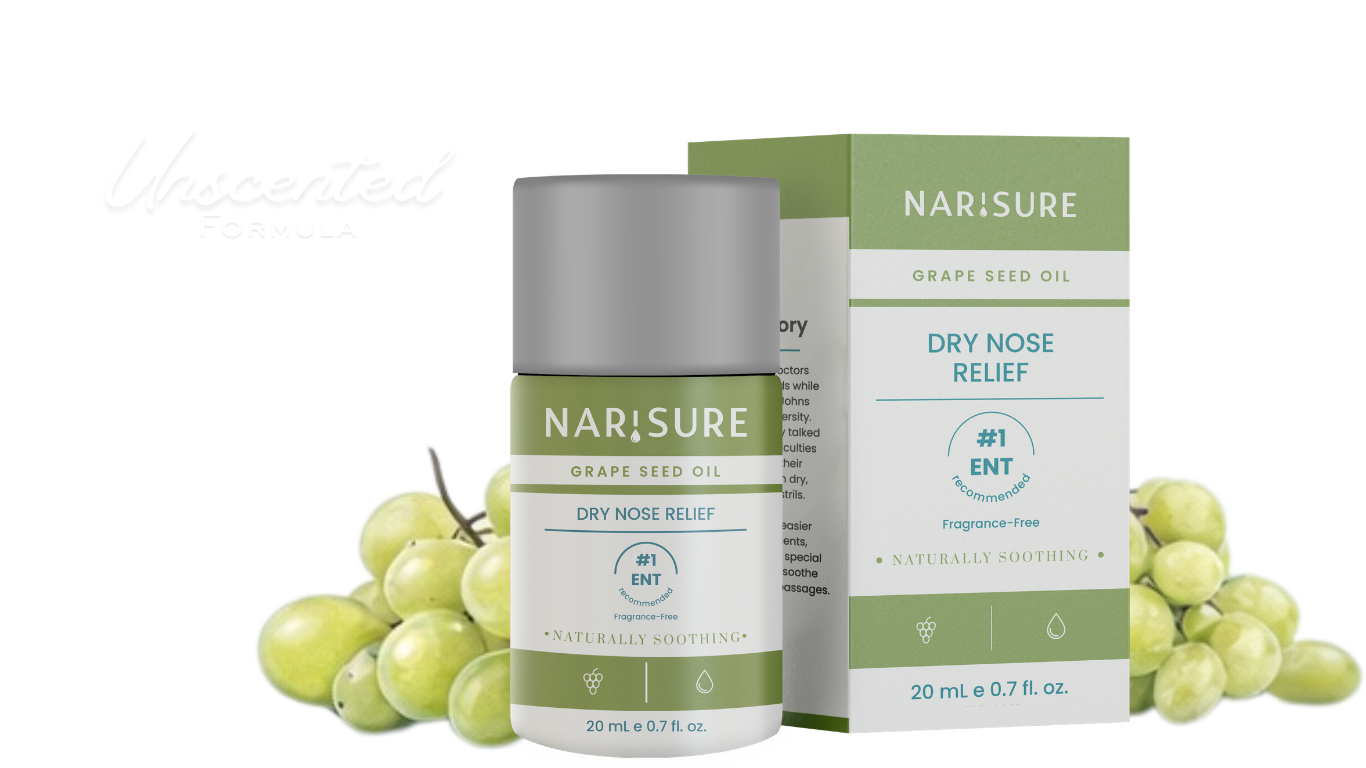
- Soothe External Irritation: For persistent dryness and irritation, consider a specialized nasal product. For example, Narisure contains moisturizing and soothing ingredients like rose geranium oil and vitamin E, which can help calm the delicate skin around the nostrils.
Your nasal health is a vital indicator of your overall well-being. Listening to its signals is the first step toward lasting comfort.