Can Allergy Season Make Your Nose Dry?
If you associate allergy season with sneezing, itchy eyes, congestion, and a runny nose, you may be surprised when your nose also feels dry, irritated, or sore. Understanding what is causing the dryness can help you find relief without making your allergy symptoms worse.
Can Allergies Cause a Dry Nose?
Yes, but usually indirectly. Allergic rhinitis causes inflammation inside the nose, leading to symptoms such as sneezing, itching, congestion, and a runny nose. Repeated nose blowing and wiping can irritate the nasal lining and skin around the nostrils.
Some allergy medications may also cause dryness. Certain nasal sprays can cause irritation or nosebleeds, particularly when used incorrectly.
Together, these factors can leave your nose feeling dry and uncomfortable during allergy season.
Why Does My Nose Get Dry During Allergy Season?
Several factors can contribute to nasal dryness:
Allergy medications
Some antihistamines can contribute to dryness, while certain nasal sprays may cause nasal irritation or nosebleeds. Nasal corticosteroids, for example, can sometimes cause these side effects. If your dryness begins after starting an allergy medication, talk with your healthcare provider before changing or stopping it.
Frequent nose blowing
Allergies can cause a runny nose that leads to frequent nose blowing and wiping. Repeated friction and forceful blowing can irritate the nasal lining and the skin around the nostrils.
Dry weather and indoor air
Dry air, particularly in air-conditioned or heated indoor spaces, can contribute to nasal dryness and irritation. During allergy season, these conditions may compound discomfort caused by allergies and frequent nose blowing.
Nasal congestion and mouth breathing
When allergies cause significant congestion, you may breathe through your mouth more often, particularly while sleeping. This can contribute to a dry mouth and throat and increase overall upper airway discomfort.
How Can You Relieve a Dry Nose During Allergy Season?
The good news is that simple measures can often make your nose more comfortable.
Use saline nasal spray
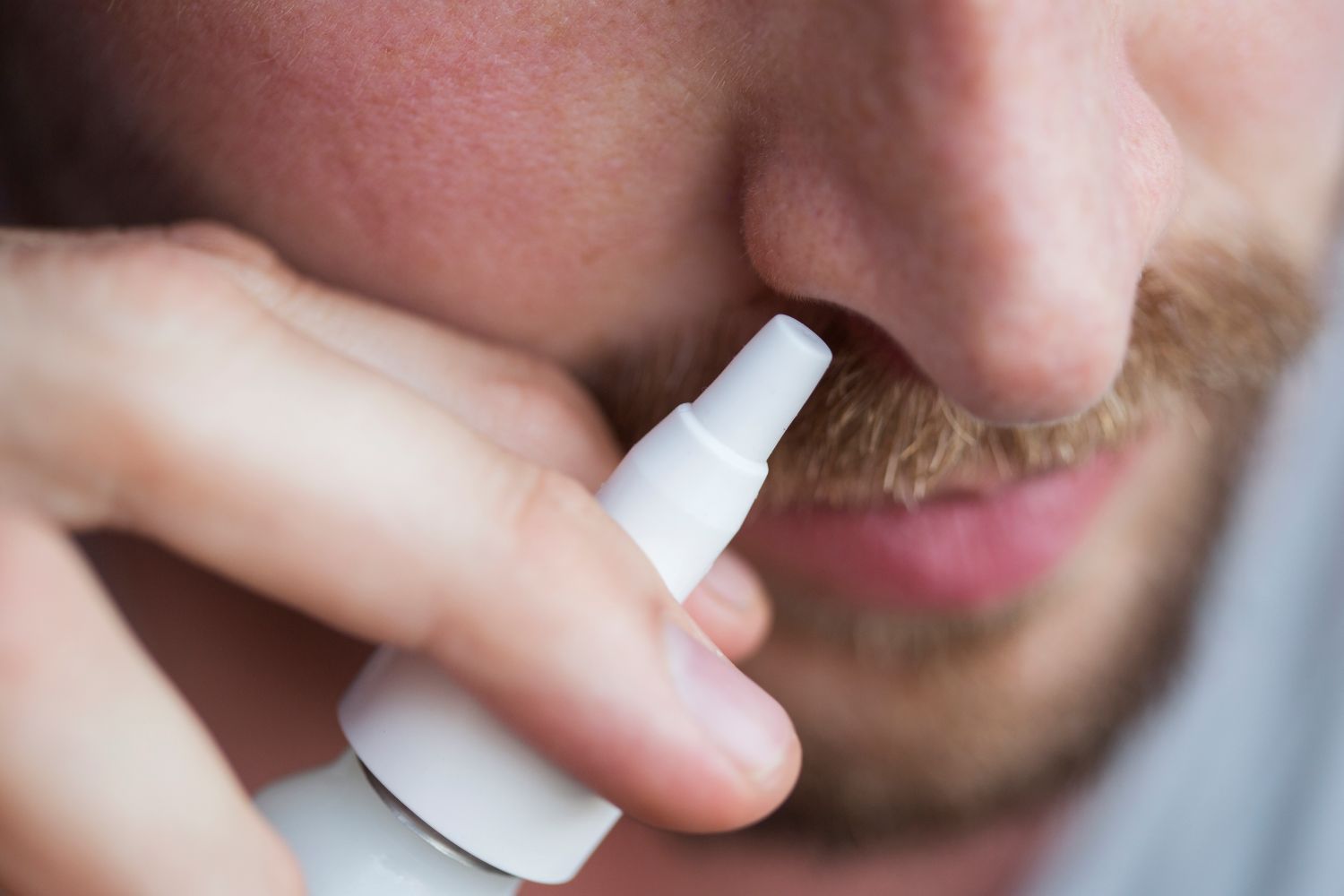
Saline nasal spray can help moisturize dry nasal passages, loosen mucus, and rinse away allergens and other irritants. It does not contain allergy medication, so it can be used as supportive nasal care when dryness is a concern.
Consider a nasal moisturizer
A nasal moisturizer may provide additional relief if your nose feels particularly dry, tight, or crusty. Choose a product specifically designed for nasal use.
Be gentle when blowing your nose
Avoid forceful nose blowing and excessive rubbing. Using soft tissues may also be more comfortable when the skin around your nostrils is irritated.
Consider indoor humidity
If the air inside your home feels dry, using a humidifier may make the environment more comfortable. Keep it clean and use it according to the manufacturer's instructions to avoid creating a source of mold or other irritants.
Stay adequately hydrated
Adequate fluid intake supports overall hydration, although drinking more water alone may not resolve nasal dryness caused by medication or environmental factors.
Review your allergy treatment
If your nose becomes noticeably dry after starting an allergy medication, talk with your ear, nose, and throat doctor or allergist before changing your treatment.
Does Nasal Moisturizer Treat Allergies?
No. A nasal moisturizer treats dryness and irritation, not the underlying allergy.
Allergic rhinitis may be managed with treatments such as antihistamines, nasal corticosteroids, antihistamine nasal sprays, and allergen immunotherapy. The appropriate treatment depends on your symptoms, triggers, medical history, and response to treatment.
Nasal moisturizers and saline sprays can be used as supportive care when allergy symptoms or their treatment leave the nose dry or irritated.
Frequently Asked Questions About Allergy Season and Dry Noses
Why is my nose dry if I have allergies?
Allergies can cause a runny or congested nose, which may lead to frequent nose blowing and irritation. Some allergy medications can also cause dryness, while dry indoor air may make the problem worse.
What can I use for a dry nose during allergy season?
Saline nasal spray and a nasal moisturizer may help relieve dryness and irritation. Gentle nose blowing, adequate hydration, and comfortable indoor humidity may also help.
Can a nasal moisturizer help with a dry nose?
Yes. A nasal moisturizer can help soothe and moisturize dry or irritated nasal passages. It may be particularly useful when dryness is related to frequent nose blowing, dry air, or certain allergy medications.
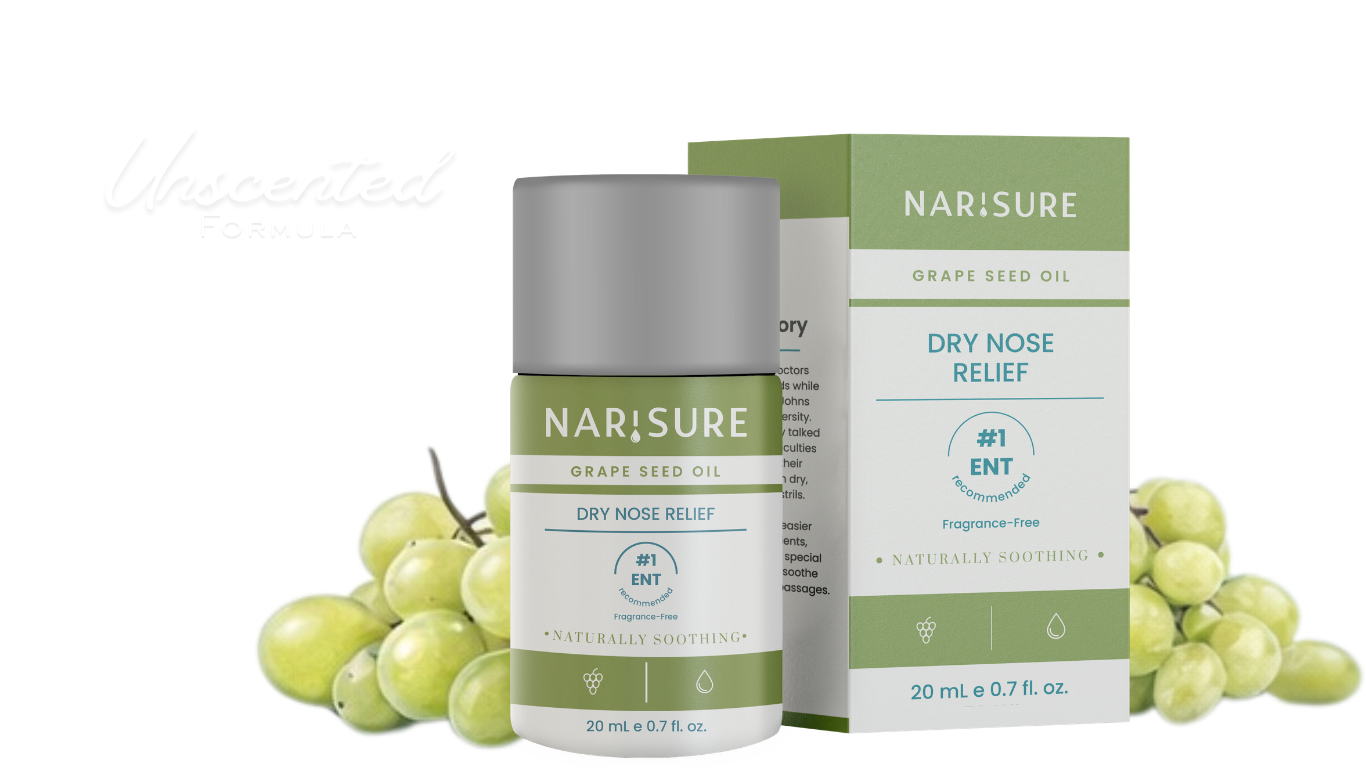
Nasal moisturizers formulated for nasal use may help relieve dryness and irritation. Narisure Dry Nose Relief offers options that include a fragrance-free formula and an oil-based nasal moisturizer. Check the product label to determine which formulation is appropriate for your needs.
The Bottom Line
Allergy season can contribute to a dry, irritated nose, usually because of factors associated with allergies rather than the allergy itself. Frequent nose blowing, dry air, and certain medications can all play a role.
Saline nasal spray, a nasal moisturizer, gentle nasal care, and comfortable indoor humidity may help. If nasal dryness persists, becomes painful, or is accompanied by recurrent nosebleeds, consult a healthcare professional to determine the cause. Seek prompt medical attention for heavy bleeding or a nosebleed that does not stop.