Can Rose Geranium Oil Help Soothe Dry Nasal Passages?
If you've ever experienced a dry, irritated nose, you know how uncomfortable it can be. Dry nasal passages can cause burning, itching, crusting, nosebleeds, and may even make breathing feel more difficult. While saline sprays and humidifiers remain the most commonly recommended treatments, some people are also curious about rose geranium oil and whether it can help relieve nasal dryness.
Research suggests that certain intranasal formulations containing rose geranium oil may help relieve symptoms of dry nasal passages, including irritation, crusting, and discomfort. Unlike pure essential oils, these products are specially formulated for safe intranasal use.
Can You Put Rose Geranium Essential Oil Directly in Your Nose?
No. Pure essential oils should never be placed directly inside your nostrils. Because they are highly concentrated, they can irritate the delicate nasal lining and may even worsen dryness or inflammation.
There is also a small risk of inhaling oil droplets into the lungs (aspiration), which can lead to irritation or, in rare cases, a serious condition called lipoid pneumonia.
If you're interested in trying a product containing rose geranium oil, choose one that has been specifically formulated for intranasal use and follow the manufacturer's directions or your healthcare provider's recommendations.
When Might a Rose Geranium Nasal Moisturizer Be Helpful?
For some people, saline sprays alone don't provide enough lasting relief. A moisturizing nasal gel or oil formulated with rose geranium oil may be worth discussing with your ENT specialist if you experience ongoing dryness from:
- CPAP therapy
- Oxygen therapy
- Dry indoor environments
- Recovery after nasal procedures
- Seasonal changes
- Frequent travel by airplane
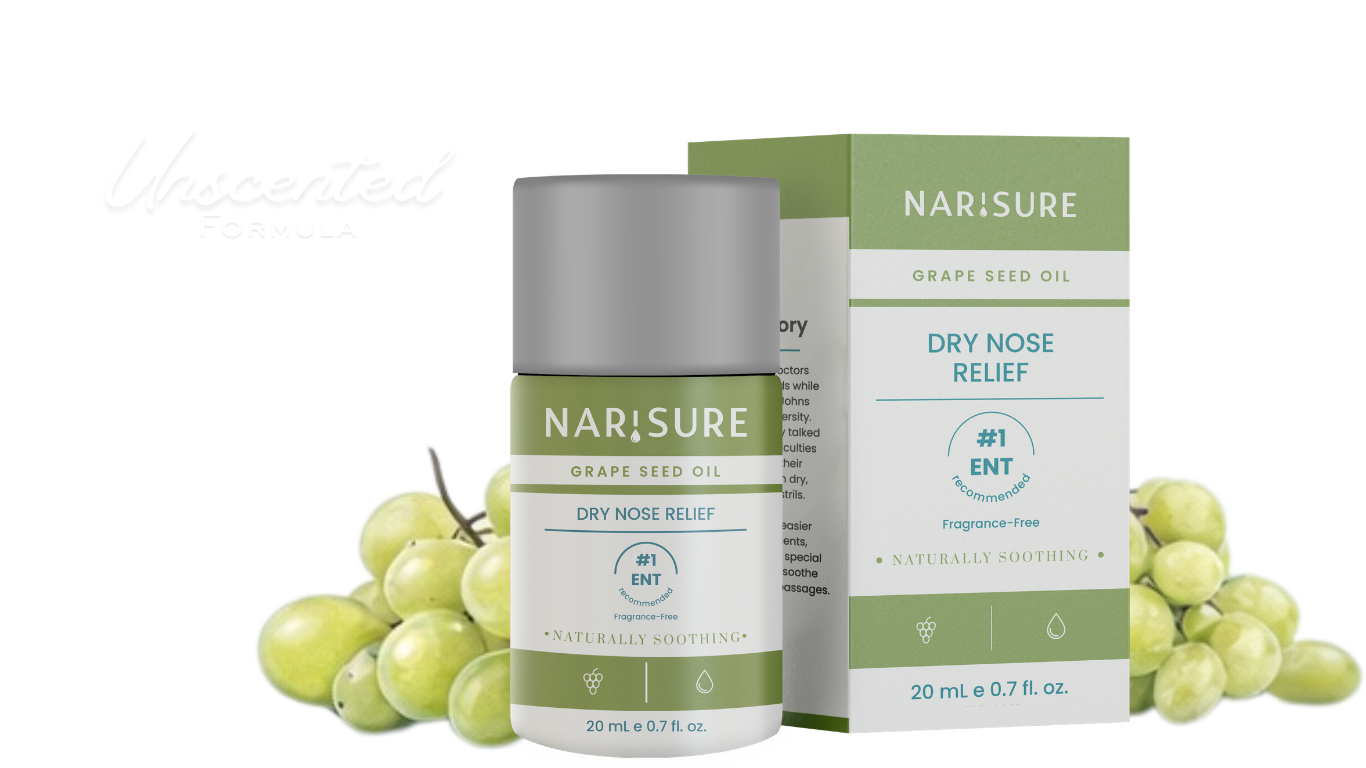
Some individuals find that these products help keep their nasal passages comfortably moisturized for longer periods. Narisure's Rose Geranium Nasal Moisturizer is specifically formulated for intranasal use and is designed to help moisturize and soothe dry nasal passages.
Other Ways to Relieve Dry Nasal Passages
Even if you choose to use a nasal moisturizer containing rose geranium oil, it works best as part of an overall strategy to keep your nasal passages healthy.
Simple measures that often help include staying well hydrated, using a cool-mist humidifier during dry weather, avoiding excessive use of decongestant nasal sprays, and using saline nasal sprays or saline gels regularly to maintain moisture.
If you use a CPAP machine, adjusting the humidification settings may also improve nasal comfort.
Frequently Asked Questions
Does rose geranium oil help dry nasal passages?
Small clinical studies have found that certain intranasal formulations containing rose geranium oil may reduce symptoms such as nasal dryness, irritation, and crusting in some patients. However, additional research is needed to better understand its effectiveness.
Is rose geranium oil safe inside the nose?
Only products specifically formulated for intranasal use should be used. Pure essential oils should never be applied directly inside the nose.
Is rose geranium oil better than saline spray?
Not necessarily. Saline sprays remain the first-line treatment for most cases of nasal dryness. A rose geranium nasal moisturizer may be an additional option for people who continue to have symptoms despite regular saline use.
What causes chronic dry nasal passages?
Common causes include low humidity, allergies, certain medications, CPAP therapy, oxygen therapy, aging, autoimmune conditions, and recovery after nasal surgery.
Looking for Relief from Dry Nasal Passages?
If saline sprays don't provide enough moisture, Narisure's Rose Geranium Nasal Moisturizer may help soothe dryness and keep your nasal passages comfortably moisturized. Discover how it may help keep your nasal passages comfortably moisturized when used as directed.
Disclaimer: This information is intended for educational purposes and should not replace medical advice. If you have persistent nasal symptoms or are considering a new treatment, consult your healthcare provider or ENT specialist.