How to Choose the Best Nasal Moisturizer for Dry, Irritated Nasal Passages
Dry or irritated nasal passages can be uncomfortable and may cause itching, crusting, burning, a feeling of congestion, and sometimes nosebleeds. Common contributing factors include low humidity, cold or dry air, indoor heating, allergies, respiratory infections, frequent nose blowing, certain medications, supplemental oxygen, and CPAP therapy.
The best nasal moisturizer for dry nose depends on the cause and severity of your symptoms, how often you need relief, and whether the product is specifically formulated for use inside the nose.
What Is a Nasal Moisturizer?
A nasal moisturizer is a product intended to add moisture or reduce dryness and friction inside the nasal passages. Depending on the formulation, it may come as:
- A saline nasal spray or mist
- A moisturizing nasal gel
- A water-based nasal lubricant
- A saline nasal irrigation or rinse
- Other nasal sprays specifically formulated to moisturize or lubricate the nasal lining
Nasal moisturizers differ from decongestant nasal sprays, which reduce swelling of the nasal tissues rather than treat dryness. Decongestant sprays should not be used as nasal moisturizers.
Choose a product specifically labeled for intranasal use and follow the manufacturer's directions.
How to Choose the Best Nasal Moisturizer
1. Choose the Right Type
Different types of nasal moisturizers can be useful depending on your symptoms and how often you need relief.
Saline nasal sprays and mists provide moisture and are convenient for daytime use. They may be suitable for mild or occasional nasal dryness and are generally nongreasy.
Nasal moisturizing gels are thicker than sprays and may provide longer-lasting lubrication. They can be useful for persistent dryness or crusting, including symptoms that are worse at night. Choose a gel specifically formulated for intranasal use.
Water-based nasal lubricants can help reduce dryness and friction without an oil base. They may be a good option if you prefer to avoid oily products.
Saline nasal irrigation can help remove mucus, allergens, and other irritants while moisturizing the nasal passages. The FDA recommends using distilled or sterile water, or tap water that has been boiled and cooled, for nasal irrigation. Follow the device manufacturer's instructions for preparation, cleaning, and use. Untreated tap water should not be used because it may contain organisms that can cause serious infections.
2. Consider the Ingredients and Formulation
The most important consideration is not simply whether a product contains a particular ingredient. The finished product should be specifically formulated and labeled for intranasal use.
Depending on the formulation, nasal moisturizing products may contain ingredients such as:
- Saline: Helps moisten the nasal passages and can help rinse away mucus and irritants.
- Glycerin: A humectant that can help attract and retain moisture.
- Hyaluronic acid: A water-binding substance included in some nasal moisturizing products. Clinical research suggests that certain hyaluronic-acid nasal sprays may improve symptoms of dry nose.
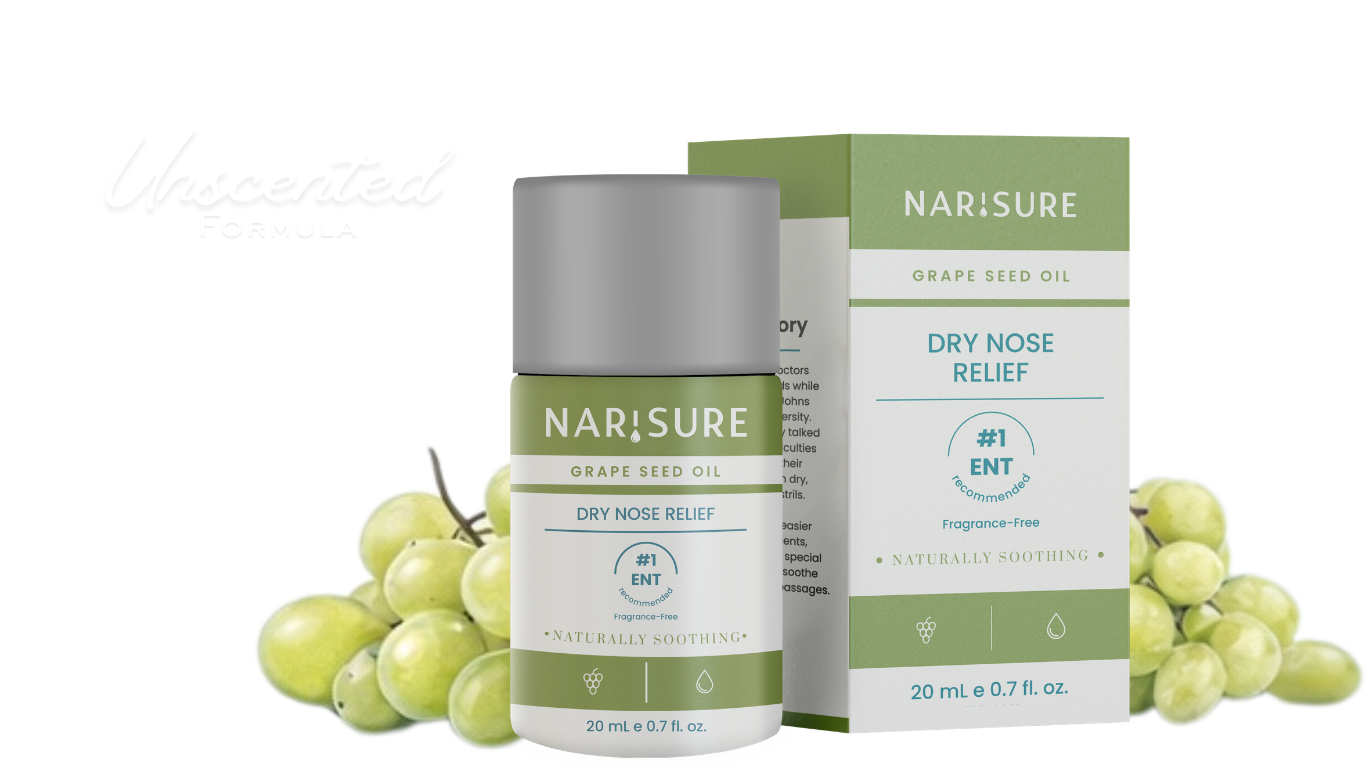
- Grapeseed oil: A plant-derived oil used in some nasal formulations for lubrication. However, more research is needed to fully understand its potential benefits for nasal dryness.
- Vitamin E: A naturally occurring antioxidant found in some nasal formulations. Early research has explored the potential role of vitamin E acetate in supporting certain nasal conditions, including primary atrophic rhinitis.
- Rose geranium oil: Included in some specialized nasal formulations. A clinical trial evaluated a specific rose-geranium-in-sesame-oil nasal spray in people receiving chemotherapy who had symptoms of nasal vestibulitis and reported greater symptom improvement than isotonic saline. These findings apply to that specific formulation and patient population.
Evidence for individual ingredients varies, and an ingredient that has been studied in one formulation or condition may not have the same benefits when used alone or in another product.
If you have sensitive or easily irritated nasal tissue, a fragrance-free formulation may be a conservative choice.
3. Match the Product to Your Symptoms
For mild or occasional dryness, a saline nasal spray or mist may provide adequate moisture and relief.
For persistent dryness or crusting, a moisturizing nasal gel may provide longer-lasting lubrication.
Some people may prefer a product containing an oil-based moisturizing ingredient, such as grapeseed oil, when lubrication is the primary goal.
If dryness occurs with CPAP, addressing the source of the dryness may be particularly helpful. Heated humidification has been shown to reduce symptoms such as dry nose, nasal blockage, and dry mouth in people using positive airway pressure therapy.
People using supplemental oxygen may also develop nasal dryness or irritation. If symptoms persist, discuss humidification and equipment with a healthcare professional rather than changing oxygen settings on your own.
Dryness following a nasal procedure, or symptoms accompanied by significant crusting, sores, recurrent bleeding, or pain, may require evaluation for an underlying condition.
4. Use Caution with Essential Oils and Oil-Based Products
The nasal lining is delicate, and concentrated essential oils or fragrances can cause irritation or sensitivity.
Do not put undiluted essential oils directly into your nose. If an essential oil such as rose geranium is included in a nasal product, it should be part of a formulation specifically designed and labeled for intranasal use.
Avoid routinely applying ordinary cosmetic oils, petroleum jelly, or homemade oil mixtures deep inside the nose unless a healthcare professional has specifically recommended them. Repeated inhalation of oil-based substances may contribute to a type of lung inflammation called exogenous lipoid pneumonia.
5. Consider How and When You Will Use It
Choose a product that fits your routine. A saline spray may be convenient during the day, while a nasal gel may be more comfortable at night when dryness is worse.
Use the product according to the manufacturer's directions. Avoid inserting applicators deeply into the nose and do not share nasal sprays or applicators.
Stop using a product if it causes significant burning, worsening irritation, swelling, rash, or other new symptoms. Seek medical advice if symptoms are severe or do not improve.
When to See a Healthcare Professional
Nasal dryness is often manageable with simple measures, but persistent, recurrent, or severe symptoms may require medical evaluation. Talk with a healthcare professional if symptoms do not improve, worsen, or are accompanied by frequent nosebleeds, significant pain, sores, or other concerning symptoms.
If you use CPAP or supplemental oxygen and continue to experience nasal dryness, a healthcare professional can also help identify and address possible underlying causes.
How to Choose the Right Nasal Moisturizer
For many people, saline sprays or mists, saline rinses, and water-based nasal gels can help relieve nasal dryness. Some products also contain ingredients such as grapeseed oil, vitamin E, or rose geranium oil, but evidence varies by ingredient and formulation.
Choose products specifically designed and labeled for intranasal use and avoid applying cosmetic oils, undiluted essential oils, or homemade mixtures inside the nose. If dryness persists or keeps coming back, consider consulting an ENT specialist to determine whether an underlying condition may be contributing to your symptoms.